
The mind behind the bet understanding the psychology of gambling
The Allure of Gambling
The thrill of gambling is deeply rooted in human psychology, attracting millions worldwide. This allure stems from the possibility of winning, where individuals often perceive the potential for instant wealth. The anticipation before a bet is placed activates the brain’s reward system, releasing dopamine, which creates a sense of excitement. Players can discover a wide variety of options at a fast payout casino, enhancing their experience as well. This chemical reaction not only enhances mood but can also lead players to chase wins, fostering a cycle that keeps them returning to the tables or machines.
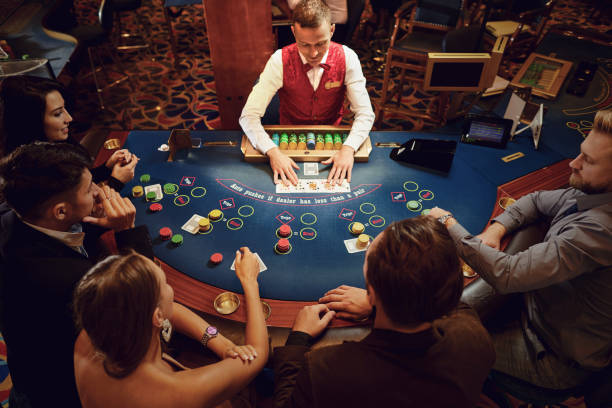
Moreover, the environment of casinos is meticulously designed to enhance this allure. With vibrant lights, engaging sounds, and a buzzing atmosphere, they create a sensory overload that captures attention and heightens emotional responses. Players often find themselves immersed in this world, feeling detached from their everyday lives, which can lead to impulsive betting behaviors. The combination of these factors creates a seductive environment that makes gambling hard to resist.
Understanding the psychology behind this allure is crucial. While many players engage in gambling for entertainment, it’s important to recognize the fine line between enjoyment and addiction. As the thrill increases, so does the risk of problem gambling, where individuals may lose control over their betting habits. Awareness of these psychological triggers can empower players to approach gambling responsibly, ensuring their experience remains enjoyable and within safe boundaries.
The Impact of Cognitive Biases
Cognitive biases play a significant role in gambling behavior, influencing how players perceive odds and outcomes. One common bias is the gambler’s fallacy, where individuals believe that past events affect future probabilities. For instance, a player may think that a slot machine is “due” for a payout after a series of losses. This misconception can lead to increased betting, as players chase perceived patterns rather than understanding the random nature of games.
Another significant bias is the illusion of control, where gamblers overestimate their ability to influence outcomes. Many believe that certain strategies or rituals can sway the odds in their favor, despite evidence to the contrary. This can manifest in behaviors such as placing bets after performing lucky rituals or selecting specific numbers based on personal significance. Recognizing these biases is essential for fostering a more rational approach to gambling, enabling players to make informed decisions.
Additionally, confirmation bias can lead gamblers to focus on successful outcomes while disregarding losses. This selective memory reinforces the belief that they can consistently win, further entrenching them in a potentially harmful cycle. By understanding these cognitive biases, players can mitigate their effects, fostering a healthier relationship with gambling and promoting more strategic, informed betting behaviors.
The Role of Emotions in Gambling
Emotions significantly influence gambling decisions, often leading players to make impulsive choices. When individuals are feeling elated after a win, they may be more likely to place larger bets, convinced that their luck will continue. Conversely, during periods of loss, frustration or desperation may prompt players to chase their losses, a behavior that can exacerbate financial problems. This emotional rollercoaster creates a volatile environment that can be difficult to navigate.
Stress and anxiety also play a crucial role in gambling behavior. Many individuals turn to gambling as a coping mechanism, seeking solace in the thrill of a bet. While this can provide temporary relief, it often leads to a cycle of dependency, where individuals rely on gambling to escape their emotional struggles. Recognizing the underlying emotional triggers is essential for addressing these behaviors and promoting healthier alternatives for coping with stress.
Developing emotional intelligence can empower gamblers to manage their feelings more effectively. By being aware of how emotions influence their decisions, players can adopt strategies to maintain emotional balance. This includes setting limits, taking breaks, and recognizing when to step away from the game. Such proactive measures can significantly enhance the overall gambling experience, ensuring that it remains a source of entertainment rather than a means of emotional escape.
The Social Dynamics of Gambling
The social aspect of gambling cannot be overlooked, as it often plays a pivotal role in the appeal of casinos and betting establishments. People frequently gamble in groups, using the experience as a bonding activity with friends or family. This social element can amplify the excitement of gambling, as players share the highs and lows of their betting journeys. However, this communal experience can also contribute to peer pressure, encouraging individuals to gamble more than they initially intended.
Social norms and cultural influences further shape gambling behaviors. In some societies, gambling is seen as a social pastime, while in others, it may carry negative connotations. This disparity can lead to varying attitudes toward risk and reward, impacting how individuals engage with gambling activities. Understanding these social dynamics can provide valuable insights into why certain groups may be more prone to problematic gambling behavior compared to others.
Moreover, online gambling has transformed the social landscape by allowing players to connect globally. Virtual communities and forums have emerged, where individuals share strategies, wins, and losses. While this can foster a sense of belonging, it can also encourage reckless behavior, as players may feel validated in their choices by others in these communities. Recognizing the influence of social dynamics is essential for understanding the broader context of gambling behavior and promoting responsible gaming practices.
Resources for Responsible Gambling
For those looking to navigate the world of gambling responsibly, numerous resources are available. Many casinos and online platforms now prioritize responsible gambling initiatives, offering tools to help players manage their betting habits. These may include self-assessment quizzes, deposit limits, and cooling-off periods, allowing individuals to take control of their gambling activities. By utilizing these resources, players can create a safer and more enjoyable gaming experience.
Additionally, support organizations provide invaluable assistance for those struggling with gambling addiction. They offer helplines, counseling services, and support groups to help individuals confront their challenges and develop healthier habits. These resources emphasize the importance of recognizing when gambling becomes a problem and seeking help as needed. Awareness and education can empower individuals to make informed choices and prioritize their well-being.
By engaging with these resources and remaining vigilant about one’s gambling habits, players can foster a healthier relationship with gaming. Understanding the psychology behind gambling can help individuals recognize the signs of problematic behavior and take proactive steps to address it. Ultimately, fostering a culture of responsible gambling benefits not only individual players but the entire gambling community, promoting a safer and more enjoyable environment for everyone.